
Have you ever heard a word that just sounds… nice? A word that feels smooth and a little bit fancy, even if you don’t know what it means right away? The word “musté” is exactly like that. It sounds cool, doesn’t it? You might have seen it on a fancy bottle of juice, read it in a magazine about stylish homes, or heard someone use it to describe a really good meal.
But what does this word really mean? Don’t worry if you are confused because “musté” is one of those special words that can mean a few different things. It is like a chameleon that changes its color depending on where it is . But at its heart, musté is always about something good, something real, and something made with a lot of care. It is a word that carries the feeling of old traditions and also fits perfectly into our modern world .
In this article, we are going to go on a journey to discover everything about musté. We will explore where it came from a long, long time ago, how people use it in the kitchen to make yummy food, why fancy beauty brands love it, and even how it can be a way of thinking about your life. By the time you finish reading, you will be a musté expert, and you might even start noticing it everywhere! So, let’s dive in and uncover the simple magic of this wonderful word.
The Humble Beginnings of Musté: A Trip Back in Time
To really understand musté, we have to travel back in time, way before smartphones and the internet. We are going to a time when most people lived in the countryside and worked on farms. The story of musté starts with grapes and wine, in a place called Southern France, especially in beautiful areas like Provence . A long time ago, people there spoke a language called Occitan, which is a little different from the French spoken in Paris today.

The word musté is a very old word. It comes from an even older Latin word, “mustum” . So, what does “mustum” mean? It means fresh grape juice. But not just any grape juice—it is the juice that comes right after you squish the grapes, but before it turns into wine. This thick, sweet, and cloudy juice is the very beginning of winemaking. It is full of potential, waiting to be transformed into something amazing. So, right from the start, musté was connected to nature, to the harvest, and to the idea of something fresh and new .
Imagine a farmer in Provence hundreds of years ago. After a long day of picking grapes, he would have a cup of this fresh “mustum.” He might have called it “musté” in his local dialect. For him, it wasn’t just a drink; it was the taste of his hard work, the sunshine, and the land he lived on. This feeling, this connection to the earth and to tradition, is the very soul of musté that we still talk about today .
Musté in the Kitchen: Food That Tells a Story
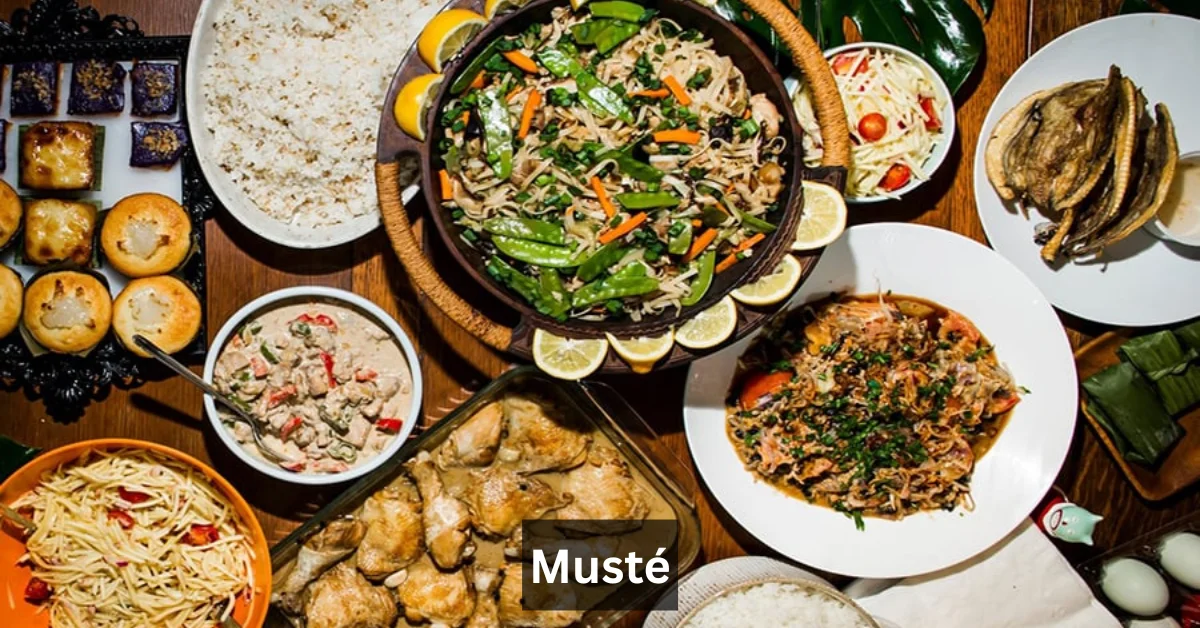
Today, one of the best places to find musté is still in the kitchen. When people talk about food, using the word “musté” is a way of saying it’s not just fast food or something boring. It means the food is authentic, made from simple, good ingredients, and cooked with love and tradition .
In many parts of the world, especially around the Mediterranean Sea, musté still refers to that grape juice we talked about. Cooks might use it to make a sweet syrup to pour over pancakes or ice cream. They might mix it into a sauce for meat, giving it a rich, deep flavor that you can’t get from anything else . This grape must, or “musté,” is like a secret ingredient that makes a dish feel special and connected to old family recipes.
But the idea of musté in food is bigger than just grapes. All around the world, different cultures have their own version of musté. In many parts of Africa, for example, musté can be a fermented paste made from grains like millet or sorghum . This might sound strange, but fermentation is a magical process that makes food tangy, delicious, and full of good stuff for your tummy. Families use this paste to make hearty stews and porridges that have been eaten for generations. In Asia, you might find musté in the form of tangy pickles or flavorful sauces that make a simple bowl of rice taste amazing .
So, when you hear “musté” in a food context, think of dishes that are:
- Made from scratch: Not from a box.
- Full of tradition: Recipes that have been passed down.
- Connected to the land: Using local ingredients like grains, fruits, or vegetables.
- Made with care and patience: Like a slow-cooked stew or a batch of homemade pickles.
It’s about food that has a story to tell, a story of the people and the place it came from .
Musté as a Feeling: Style, Beauty, and Quiet Luxury
Now, let’s jump to the present day. You might not be fermenting grain in your kitchen, but you can still find musté everywhere. The word has taken on a new life in the worlds of fashion, beauty, and home decor. Here, musté describes a certain look and feeling. It’s not about being loud or flashy. Instead, it is a quiet kind of style that feels elegant and thoughtful .
Imagine you walk into a room. The walls are a soft, warm color. There is a simple, beautiful vase on a table with a single flower in it. The light is soft, and everything feels calm and peaceful. You could say this room has a “musté” feeling. It feels intentional, like someone put a lot of thought into making it feel just right, without making it feel cluttered or busy .
This idea of musté as a feeling is very popular right now. In fashion, a “musté style” means clothes that are simple, well-made, and never go out of style. Think of a perfectly fitted white shirt, a soft cashmere sweater, or a pair of classic leather shoes. These are not trendy items you wear once and throw away. They are pieces you keep for years because they are beautiful and make you feel confident. It is about choosing quality over quantity .
The beauty world has also fallen in love with musté. You might see “musté” on a bottle of face serum or a jar of luxurious cream. Here, it is often linked to ingredients that come from nature, like grapes or plants, that are full of antioxidants . Using these products feels like a special treat, a moment of self-care in a busy day. It’s not just about looking good; it’s about feeling good and using products that are pure and good for your skin.
So, in our modern world, musté has become a label for:
- Quiet confidence: Style that doesn’t need to shout.
- Timeless design: Things that are beautiful today and will be beautiful tomorrow.
- Natural quality: Products made with good, simple ingredients.
- Mindful living: Choosing things that bring you peace and joy.
Musté as a Philosophy: Living an Intentional Life
Believe it or not, musté can even be a way of living. Think of it as a gentle guide for how to go through your day. It’s a philosophy that encourages you to slow down, pay attention, and choose things that truly matter to you. In a world that is always rushing and shouting for our attention, musté is like a calm voice telling us to take a deep breath .
Living a musté life means being intentional. Instead of just doing things out of habit, you stop and ask yourself, “Does this make me happy? Does this add something good to my life?” . For example, instead of scrolling through your phone for an hour before bed, a musté approach might be to read a few pages of a book you love, or to sit quietly and think about your day. It’s about choosing activities that fill you up, rather than draining you.
This doesn’t mean you have to be perfect or get rid of all your stuff. It’s different from minimalism, which is often about having less stuff . Musté is more about making sure the things you do have and the things you do are in line with who you are. It’s about alignment. You might have a collection of colorful mugs, and each one makes you smile when you drink your morning coffee. That is musté! It’s about keeping the things that bring you joy, not just throwing things away to have an empty house.
Here are some simple ways to add a little musté to your daily routine:
- In the morning: Instead of rushing, take five minutes to enjoy your coffee or tea without looking at your phone.
- At work: Focus on one task at a time instead of trying to do ten things at once. Give your full attention to what you are doing.
- With friends: Have a real conversation, listen carefully, and put your phone away.
- In the evening: Cook a simple, healthy meal and really taste the food. Notice the colors, the smells, and the flavors.
Musté is about finding the magic in the ordinary moments. It is about trading the feeling of being busy and overwhelmed for a feeling of being calm and in control . It is a way of living that feels good from the inside out.
Why Musté Matters Now More Than Ever
So, why is this old word becoming so popular again? In our modern world, things move very fast. We can get almost anything we want with the click of a button. New trends pop up on our phones every single day. It can be exciting, but it can also feel a little… empty. Sometimes, all this speed and choice makes us feel disconnected and stressed .
This is exactly why musté matters so much right now. It is the perfect antidote to our fast-paced world. Musté reminds us to slow down and appreciate things that are real. It celebrates the old ways of doing things, like cooking a meal from scratch or carefully crafting a piece of furniture by hand. It makes us value quality over quantity, and meaning over speed .
When you choose a “musté” product or live a “musté” lifestyle, you are pushing back against the idea that everything has to be new, cheap, and fast. You are saying that you value things with a history, things made with care, and experiences that are genuine. It is a way of finding a little bit of peace and authenticity in a world that often feels fake and chaotic. It connects us to our own humanity and to the generations of people who came before us, who lived simpler, slower lives .
Conclusion: The Simple Beauty of Musté
So, there you have it! We have been on a big journey, from the sunny grape fields of ancient France to the quiet, stylish rooms of today. We have learned that musté is a word with many beautiful meanings.
We discovered that its oldest meaning is fresh grape juice, a symbol of new beginnings and the fruit of the land . We saw how it describes food that is authentic, traditional, and made with love, like a hearty African stew or a sweet Italian syrup . We explored how in fashion and beauty, musté stands for quiet luxury, timeless style, and products that are good for you . And finally, we learned that musté can be a beautiful philosophy for life, guiding us to be more mindful, intentional, and to find joy in the simple things .



Comments (0)